POSTED Mar 22, 2022 - 04:10 PM
Combating e-waste means refurbishing, redesigning, and repurposing
“With the sheer speed of developing technology, e-waste is bound to be one of the biggest issues faced by human beings and the environment.”
This article was published on Inquirer.net
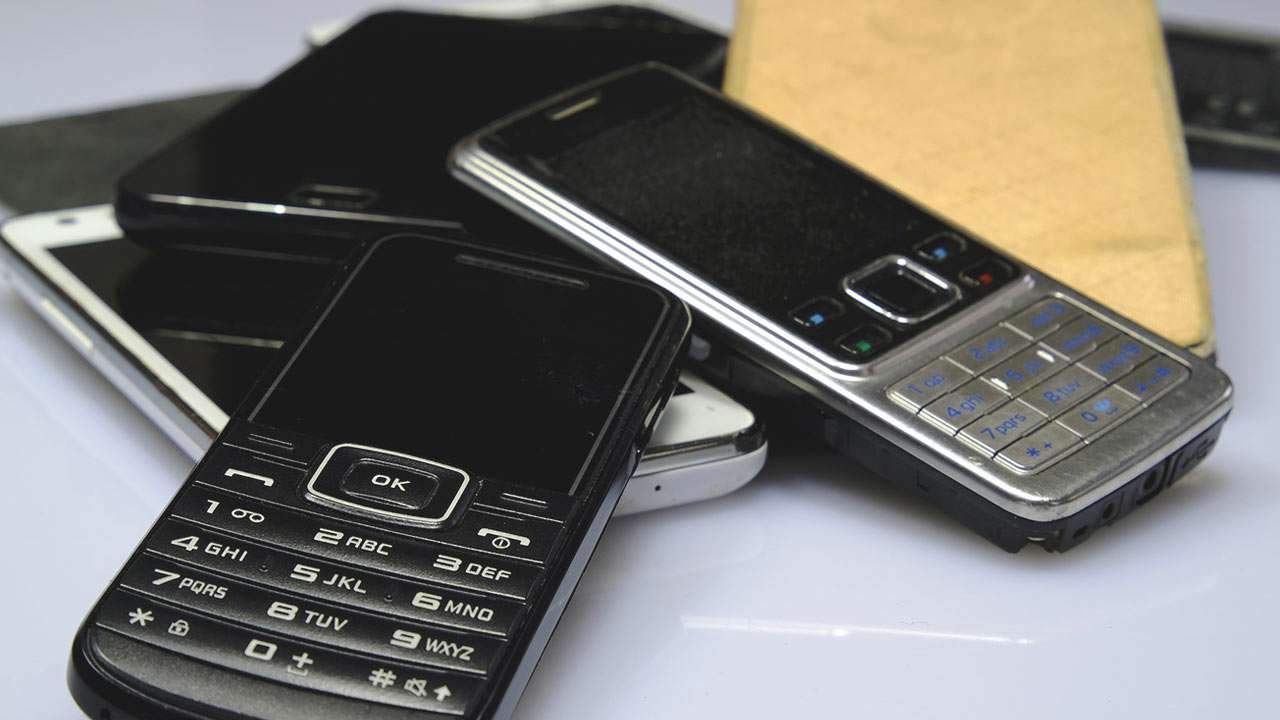
Aside from plastic and industrial waste, digital waste is another problem that needs our attention. Digital waste (or e-waste) is any type of electronic equipment that ceases to be useful. Some examples of this are TVs, CDs, laptops, and old cell phones.
With the sheer speed of developing technology, e-waste has become one of the biggest issues faced by human beings and the environment. According to the United Nations, 50 tons of e-waste was discarded in 2019 alone. Instead of being recycled or repurposed, most of this technological refuse ended up in landfills.
E-waste may be a modern problem, but it doesn’t necessarily warrant an innovative solution. The easiest way to manage this issue is by applying the 3Rs of e-waste management: refurbish, redesign, and repurpose.
Refurbish
Instead of tossing out old or defective gadgets, refurbishing them is a better option to curb waste. Refurbishing devices entails repairing used or old tech that’s still possibly functional and fixing them in order to become operational.
In consumer electronics, refurbished gadgets are usually customer returns that initially have defects. These items are returned to the manufacturer to be repaired and then sold at a lower price. Refurbished items don’t only cut down waste, they’re also cheaper than brand new items.
Refurbishing old or damaged gadgets extends the product’s lifespan and lessens its possibility of becoming digital waste.
Repurpose
Technological waste is a mounting problem, and repurposing specific parts of devices can help. After products reach their maximum life cycle and can no longer be refurbished, precious metals and other components can still be recycled and used for other purposes.
Metals like gold, silver, and cobalt can be removed from old devices and reused into making new ones. Old OLED screens from defective devices can also be repurposed and used to make new devices.
Redesign
The best way to combat digital waste is by cutting out all unnecessary waste at the beginning of production. Tech manufacturers should redesign their products and processes in order to curb waste at the root.
By redesigning products and fabrication processes to minimize waste, they can also maximize their resources and help themselves and consumers alike become more environmentally responsible.
Aside from being the responsibility of tech companies and the government, we can also do our part to reduce e-waste by only purchasing what we need and making sure to dispose of e-waste properly. The e-waste problem isn’t easy to solve, but by cutting down on production, repurposing already existing devices, and recycling precious metals and other important components can be a huge help to the environment.
Read more

Filipino enterprises join the global drive for sustainable futures
Harnessing innovative solutions for a sustainable future Learn More

Rooted in Advocacy, Crafted for the Future
Going strong for 42 years, Manila FAME is a bold, seasoned trade show shaped by decades and transfor... Learn More

Learning the curve of sustainability: CITEM explores Taiwan’s SDG-driven industries
CITEM tracks sustainable practices in Taiwan’s transformative industries, and gets a glimpse of a... Learn More

CITEM Market Sensing Mission to Taiwan to strengthen PH SDG competency
Making serious strides toward strengthening the country’s sustainability footprint, CITEM travels to... Learn More